
Tia Nelson recognized at UW–Madison’s spring 2026 commencement
On Friday, May 8, conservation leader and Nelson Institute board member emerita Tia Nelson was recognized with an honorary doctorate at the UW–Madison spring 2026 commencement ceremony.
May 12, 2026Rebecca Larson Receives Vilas Mid-Career Investigator Award
Rebecca Larson is among 18 faculty members to receive the Vilas Mid-Career Investigator Award, which recognizes excellence in research and teaching and provides three years of flexible research funding.
May 5, 2026Holly Gibbs Elected to American Academy of Arts & Sciences
Holly Gibbs, the Gaylord A. Nelson Distinguished Chair in Integrated Environmental Studies and professor in the Nelson Institute for Environmental Studies, was one of five University of Wisconsin–Madison faculty members elected to the newest cohort of the American Academy of Arts & Sciences.
April 22, 2026Celebrate Earth Day with These Eight Free, Arts-Based Events
Looking for fun and free ways to celebrate Earth Day this year?
April 10, 2026Celebrate Earth Day with These Nine Family Friendly Events
Looking for fun, free, family friendly ways to celebrate Earth Day in Madison this year?
April 9, 2026
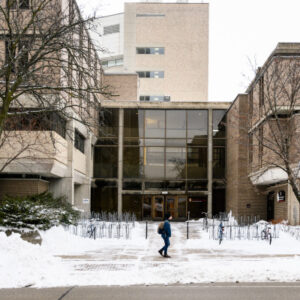
Meet Computer Sciences: Our Home Away from Home
The Nelson Institute is going on the road — and we’re taking you with us!
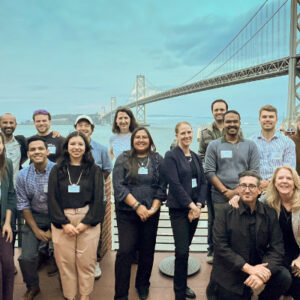
April 7, 2026EAP Graduate Students Connect with Policy and Tech Giants
In March 2026, a delegation from the Nelson Institute shared an amazing two days in San Francisco and Palo Alto, California.
April 1, 2026Tia Nelson to be awarded honorary degree from UW–Madison
The University of Wisconsin–Madison will award an honorary doctor of science degree to Tia Nelson, a globally recognized advocate for environmental stewardship and sustainability, at its spring commencement ceremony.
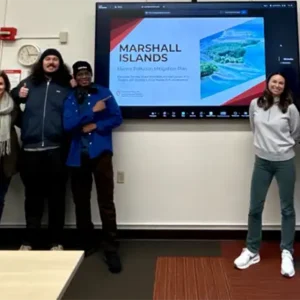
March 26, 2026Inside the Graduate Classroom: Conservation Planning Environmental Studies 972
The course helps future conservation leaders make informed decisions, drive change, and effectively collaborate with stakeholders to work on solutions together.
March 11, 2026A Comprehensive Look at Wisconsin’s Climate-Change Outlook
The Wisconsin Initiative on Climate Change Impacts (WICCI), a nationally recognized collaboration of scientists and stakeholders working together to help Wisconsin policymakers and citizens understand the impacts of climate change, has released an assessment report that outlines the latest climate impacts and solutions.
February 26, 2026- View all news






Media Inquiries
(608) 263-3063
communications@nelson.
wisc.edu
Nelson Institute on Social Media
Join Our Mailing List
Subscribe to Nelson Institute emails to learn about the latest news and events.